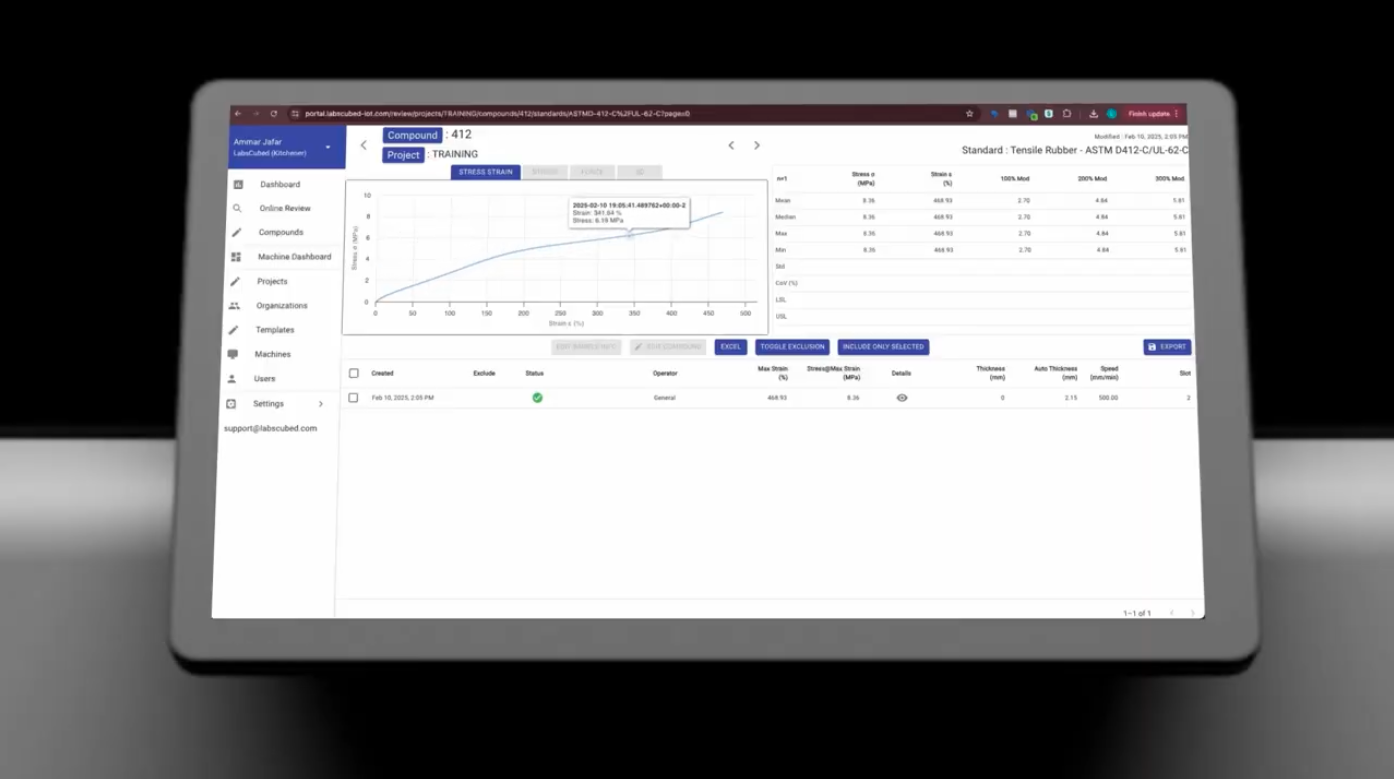
.webp)


Materials Testing Automation: How Plastics and Rubber Labs Run 3× More Tests Per Shift
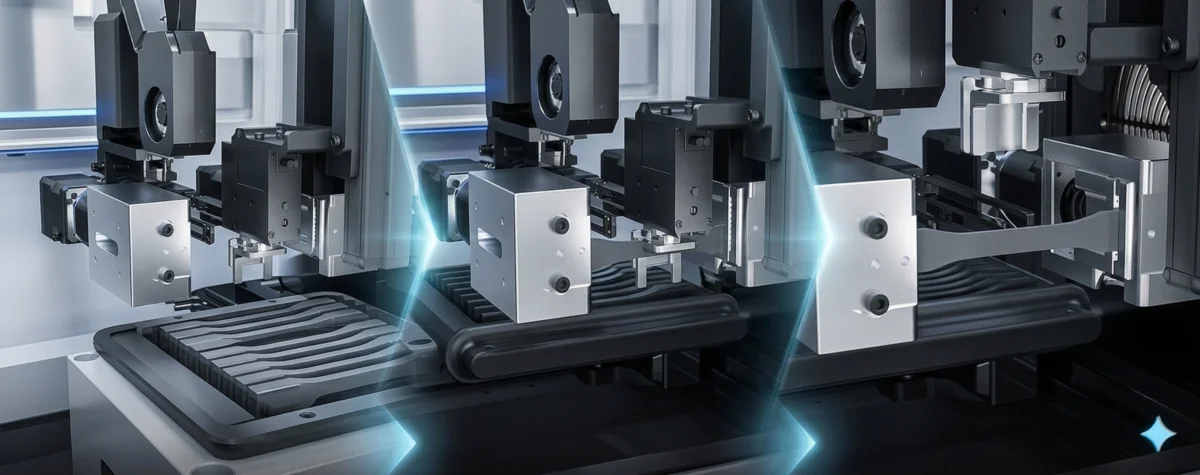
Your QA team runs the same tensile test 40 times a day. Each cycle requires a technician to load the specimen, zero the crosshead, run the test, record the result, and reset the fixture — 4 to 6 minutes per sample. At that pace, a 200-sample batch takes two full days, and one distracted moment can void an entire set of results.
Materials testing automation changes that math. Labs switching from manual to automated specimen handling routinely see throughput double or triple — with fewer errors, not more.
Why manual testing creates a QA bottleneck
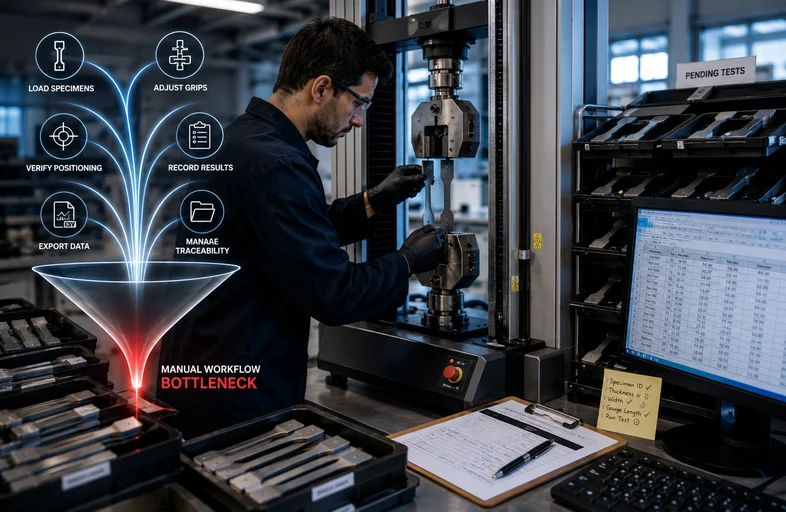
Manual testing is reliable when volumes are low. But in high-volume plastics and rubber production — where a single shift might generate hundreds of samples requiring QA sign-off — manual testing simply cannot keep pace.
The problems compound:
- Operator variability. Even skilled technicians produce slight inconsistencies in grip alignment, preload application, and specimen centering. Over hundreds of tests, that variability adds noise to your data.
- Throughput ceiling. A technician can realistically run 80–120 tensile tests per 8-hour shift. Automated systems run 300–500.
- Compliance risk. ASTM D638, ISO 527, and ASTM D412 all require precise specimen preparation and test conditions. Manual handling introduces variables that are difficult to document — and harder to defend in an audit.
The bottleneck is not your testing equipment. It is every manual step around it.
What materials testing automation actually looks like
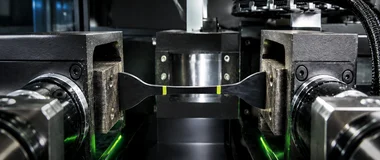
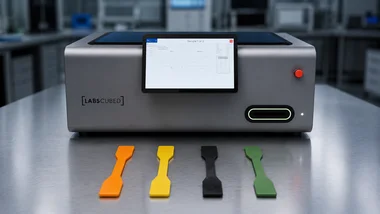
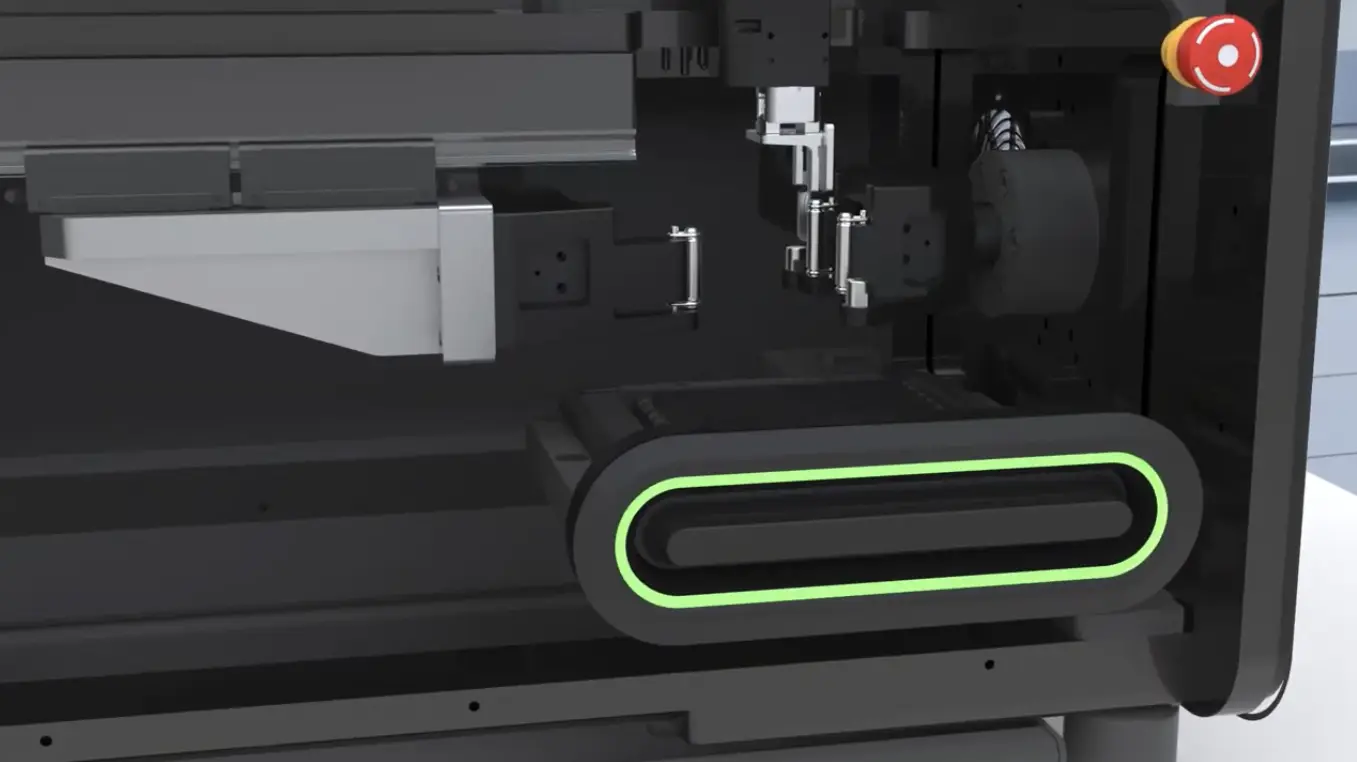
Modern automated testing systems combine a universal testing machine (UTM) with robotic specimen handling. The robot picks specimens from a tray, loads them into the grips, initiates the test, captures the data, and deposits the tested sample — all without operator intervention.
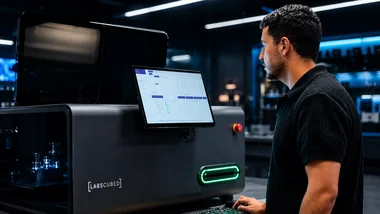
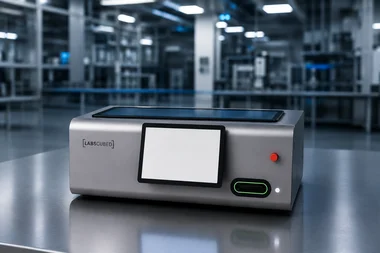
At LabsCubed, our HERO Lab system adds an AI-powered vision layer that confirms specimen geometry, grip seating, and test validity in real time. If a specimen is malformed or misloaded, the system flags it before the test runs — not after.
The result: every test in a 500-sample batch runs under identical conditions, with a full digital audit trail. Your QA data is cleaner, compliance documentation is automatic, and your technicians are free to do analysis work instead of repetitive loading.
| Manual testing | Recommended CubeOne / CubeTen | |
|---|---|---|
| Tensile tests per 8-hour shift | 80–120 | 300–500 |
| Specimen handling | Manual loading and reset | Robotic specimen handling |
| Grip alignment | Operator-dependent | Consistent, every specimen |
| Specimen validity check | After the test, if at all | AI vision flags before the pull |
| Audit trail | Manual entry | Full digital record |
| 200-sample batch turnaround | Up to two days | A single shift |
Real ROI: what automation means for plastics and rubber manufacturers
Labs replacing manual tensile testing with automated systems typically see:
- Up to 2–3× throughput increase — with the same headcount.
- Up to 60–70% reduction in operator time — spent on specimen handling.
- Near-zero retests — from handling errors.
- Faster time-to-release — batches that took two days to clear QA now clear in a single shift.
For a mid-sized rubber manufacturer running quality tests across 10 production compounds per week, that throughput improvement translates directly to faster release cycles and reduced inventory holding costs. Our white paper on automation vs. manual testing walks through a full ROI model with real cycle times and cost comparisons.
What to look for in a materials testing automation system
Not every automated testing system is built for plastics and rubber. Before evaluating vendors, check these factors:
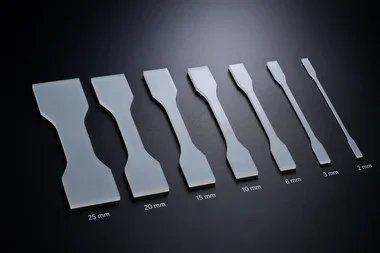
- Specimen geometry compatibility. Dog-bone specimens (ASTM D638 / ISO 527) behave differently from dumbbell specimens (ASTM D412). Your system needs grips and handlers designed for your material type.
- Standards compliance. Confirm the system supports your required test standards — including correct crosshead speeds, preload procedures, and strain measurement methods.
- Software integration. Can test data feed directly into your LIMS or ERP? Manual CSV exports create data gaps and delay reporting.
- Scalability. A system that handles tensile today should accommodate flexural, compression, or peel testing tomorrow.
LabsCubed builds systems specifically for plastics testing and rubber testing — designed around the specimen types and test standards your lab already uses, not adapted from generic industrial robotics. CubeTen handles plastics workflows and CubeOne handles rubber and elastomers, so the system matches the specimens you already run.
Frequently asked questions
What does materials testing automation actually look like?
A modern automated system combines a universal testing machine with robotic specimen handling. The robot picks specimens from a tray, loads them into the grips, initiates the test, captures the data, and deposits the tested sample without operator intervention, so every test in a batch runs under identical conditions with a full digital audit trail.
How much throughput improvement can automation deliver?
Labs replacing manual tensile testing with automated systems typically see up to a 2 to 3 times throughput increase with the same headcount, up to a 60 to 70 percent reduction in operator time spent on specimen handling, and batches that took two days to clear QA now clearing in a single shift.
What should I look for in a materials testing automation system?
Check specimen geometry compatibility for your material type, confirm the system supports your required standards such as ASTM D638, ISO 527, and ASTM D412, verify it can feed test data directly into your LIMS or ERP, and make sure it can scale to flexural, compression, or peel testing as your needs grow.
Getting started
The fastest way to evaluate automation ROI for your lab is to run the numbers against your current test volume and cycle times. We have done this analysis with dozens of QA teams and can model it for your specific workflow in a 30-minute conversation.
Request a quote or reach out to talk through your lab's testing requirements — no pressure, just a clear picture of what automation looks like for your operation.
Clear the QA bottleneck in your lab
See how LabsCubed's CubeTen and CubeOne systems automate plastics and rubber tensile testing from specimen loading to audit-ready reporting.
Related Articles
More expert insights and practical solutions to advance your material testing expertise.
Automated Rubber Tensile Testing Machines: A Guide for High-Volume Testing Labs
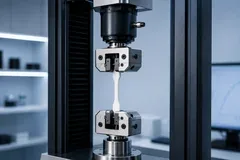
Universal Testing Machine: Complete Guide to Specifications, Applications & Automation
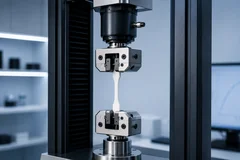
Tensile Strength Tester: A Buyer's Guide for QA Labs
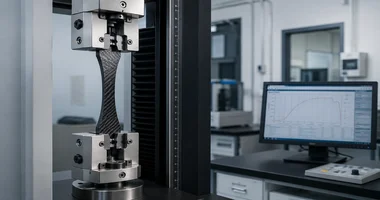
Tensile Test of Composite Materials: A Practical Guide
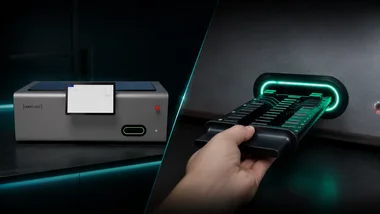
Universal Testing Machine for Rubber: 2026 Buyer Guide
ASTM D3039: How to Test Composite Tensile Properties
Robotic Material Testing: The Complete Guide to Automating Your Lab
Automated Tensile Testing: How Labs Cut Cycle Time Up to 85%
Composite Material Testing: Methods, Standards, and Automation
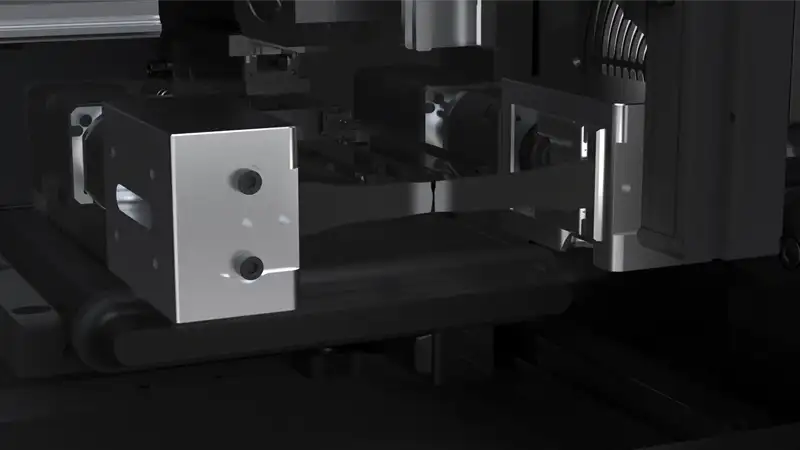
Tensile Testing Machine Guide for Plastics & Rubber Labs
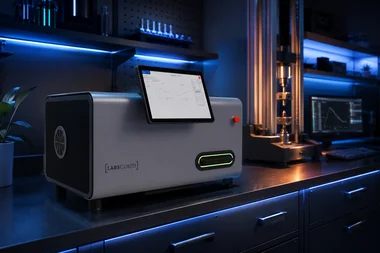
Polymer Tensile Test: Procedure, Standards & Automation
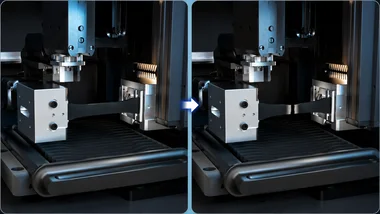
Polymer Mechanical Testing: Methods, Standards & Automation
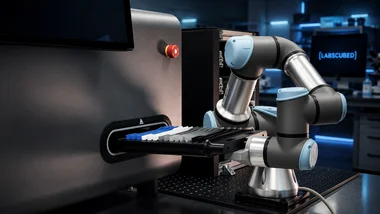
Lab Automation Robotics for Plastics and Rubber QA Teams
How to Choose Plastics Tensile Testing Equipment
ASTM D638 Automated Testing: Run 3× More Specimens Per Day
ASTM D790/ISO 178 Explained: Everything You Need to Know About Plastic Flexural Testing
Fatigue Testing in Rubber Compounds: Understanding Long-Term Performance
How Temperature and Humidity Affects Tensile Strength in Plastics