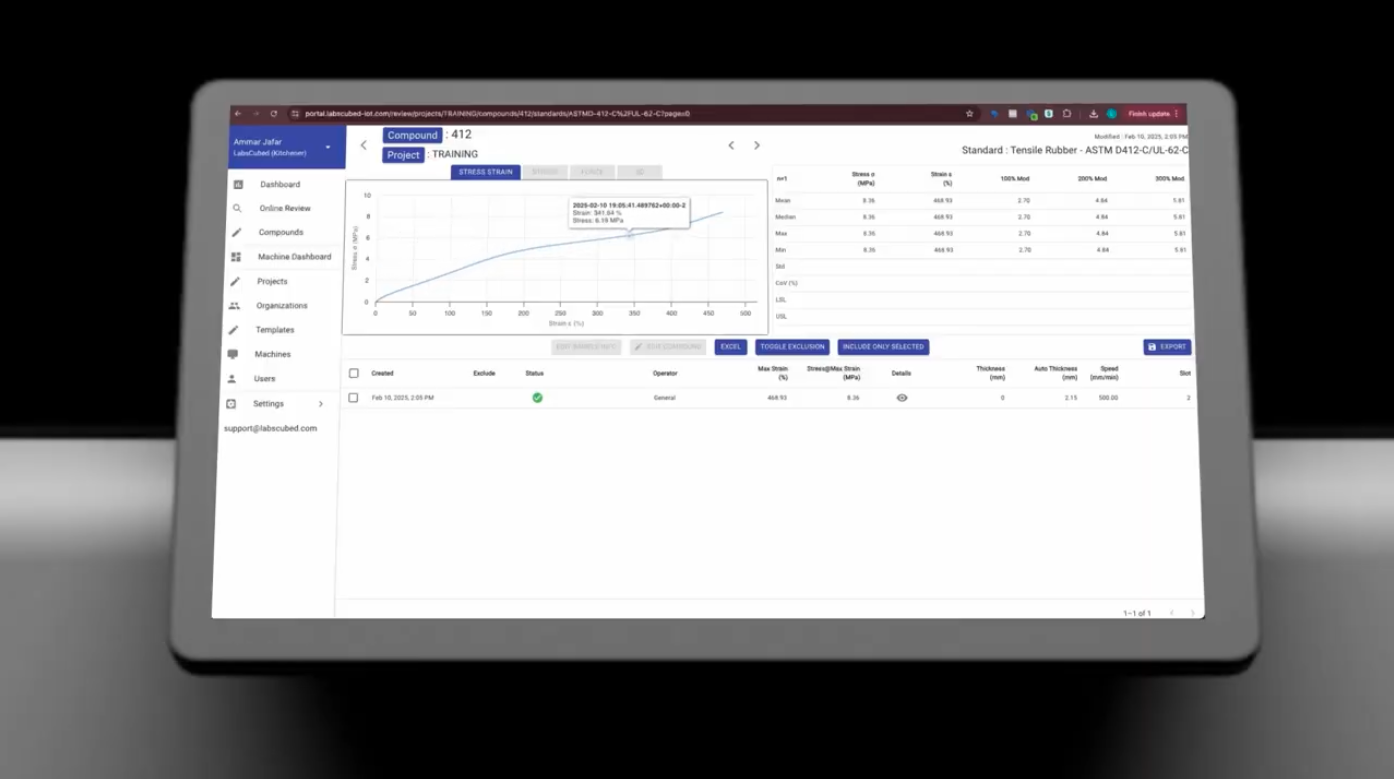
.webp)


How to Choose Plastics Tensile Testing Equipment
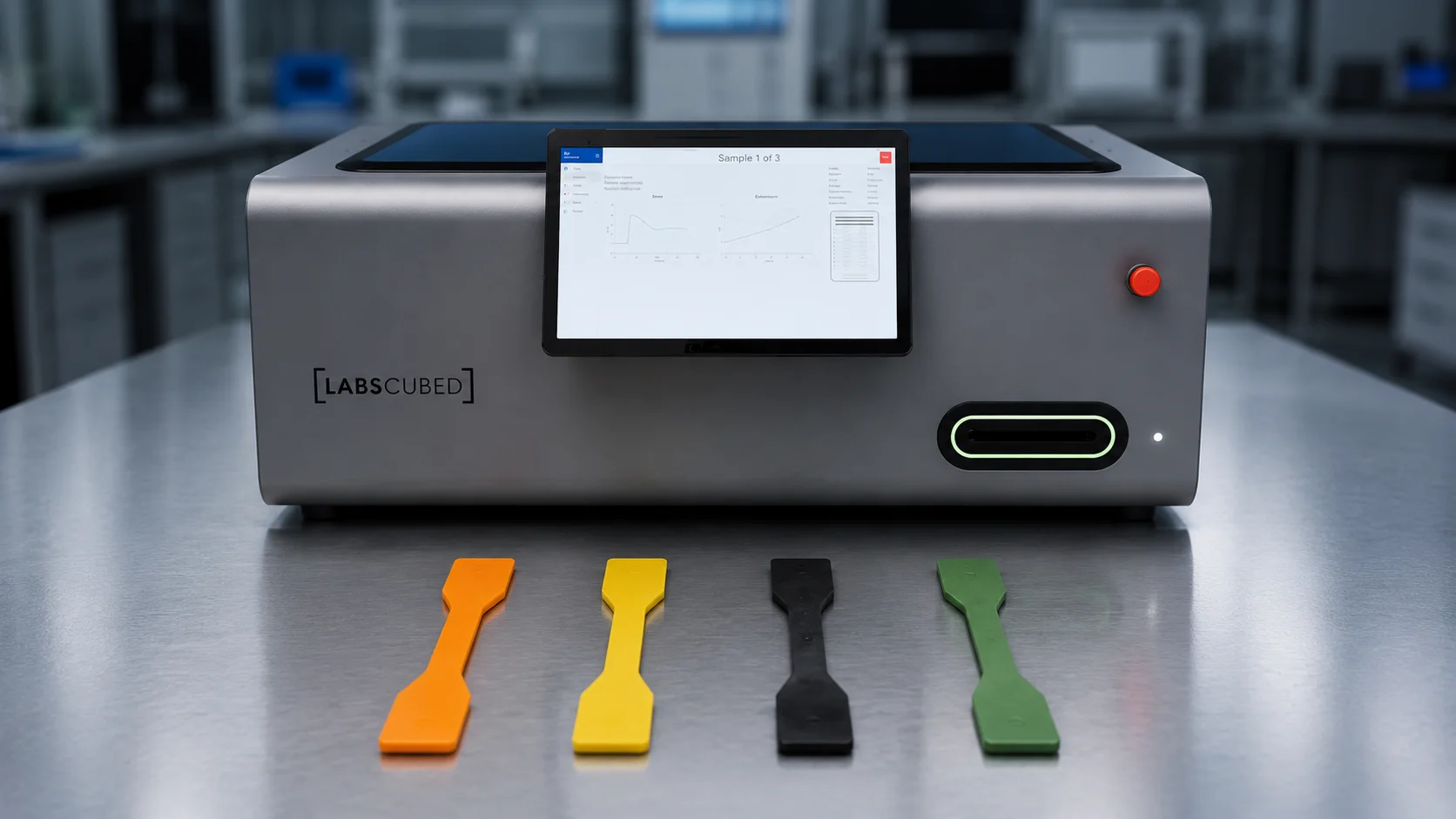
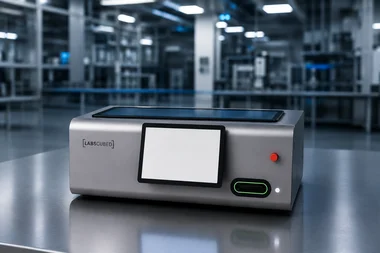
Choosing the right plastics tensile testing equipment determines whether your QA data is reliable, repeatable, and audit-ready — or a source of constant rework. This guide covers what to look for, which standards apply, and when automated testing makes more sense than manual. For high-volume plastics labs, LabsCubed's CubeTen automates specimen loading, testing, and reporting end-to-end so the workflow keeps pace with the frame.
What plastics tensile testing actually measures
A tensile test pulls a standardized plastic specimen at a controlled speed until it fractures or deforms permanently. The test records:
- Tensile strength — the peak stress before failure
- Yield strength — where permanent deformation begins
- Elongation at break — how far the material stretches
- Elastic modulus (Young's modulus) — stiffness under load
These properties determine whether a material passes specification for injection-molded parts, extruded profiles, plastic films, or composite panels.
Key specs to evaluate when buying
Not all tensile frames perform equally for plastics. Prioritize five specs when comparing systems. Force range comes first: most rigid plastics and polymers require 1 kN to 30 kN, while thin films and flexible materials test below 500 N, so size the system to cover your full material range — oversized frames lose resolution at low forces. Crosshead speed matters because plastics are rate-sensitive; ASTM D638 specifies five speed designations across specimen types, so the machine needs the full range, from 1 mm/min for stiff polymers up to 500 mm/min for elastomers. Grip selection follows the specimen: wedge-action grips work for rigid dogbones, while pneumatic grips automate clamping for thin films and high-volume runs, and mismatched grips cause specimen slippage, invalid tests, and wasted material. For strain measurement, contact extensometers clip directly to the specimen, whereas non-contact video extensometers track optical marks without touching the material — essential for soft polymers where contact devices distort the reading. Finally, on software and standards, verify the software includes built-in test methods for ASTM D638, ISO 527, and ASTM D882 for thin films; configurable report templates and direct LIMS export save significant time in data transcription each week.
Applicable standards for plastics tensile testing
Three standards cover most plastics tensile work.
| Standard | Scope | Key parameter |
|---|---|---|
| ASTM D638 | Rigid and semi-rigid plastics | 5 specimen types, 5 speed classes |
| ISO 527 | Plastics (metric equivalent of D638) | Common in EU and automotive OEMs |
| ASTM D882 | Thin plastic sheeting and film | Narrow strips, high elongation |
If your customers are North American automotive, ASTM D638 is the default. European programs typically specify ISO 527. Film and packaging lines run D882. Choose equipment validated for all three.
For a deeper look at running tensile tests with automated equipment, see our ASTM D638 testing guide.
When manual testing creates problems
A well-configured manual tensile tester produces accurate data — until volume, variability, or throughput pressure enters the picture.
Common failure points in manual plastics tensile testing labs:
- Grip placement inconsistency: Two operators align the same dogbone differently. Stress concentrations shift. Yield strength results vary by up to 5–8% between technicians.
- Throughput bottlenecks: A skilled technician runs roughly 20–30 specimens per eight-hour shift. High-volume labs run backlogs by midweek.
- Manual data entry errors: Transcribing results to spreadsheets or LIMS introduces transcription errors — a CAPA trigger in regulated environments.
- Overnight downtime: Manual testing stops when the technician leaves. The equipment sits idle for up to 16 hours per day.
These are operational constraints, not equipment failures. You can have the right tensile frame and still face all of them.
Automated plastics tensile testing: what changes
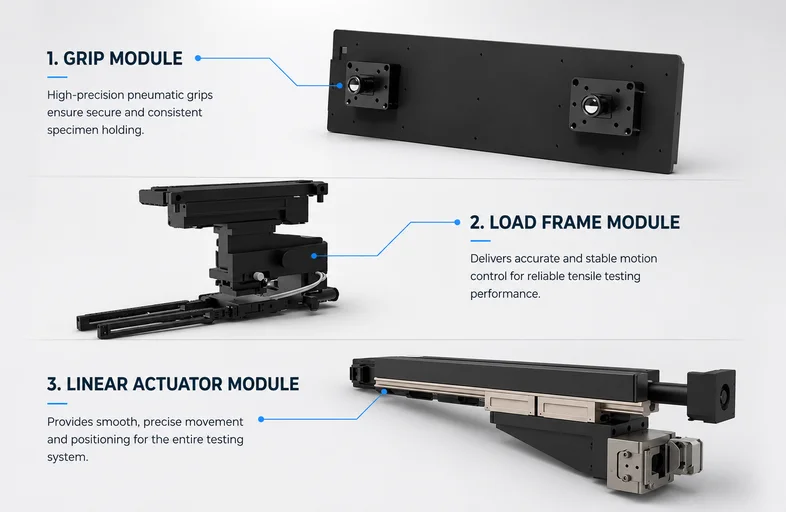
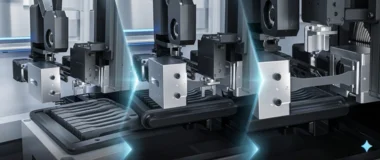
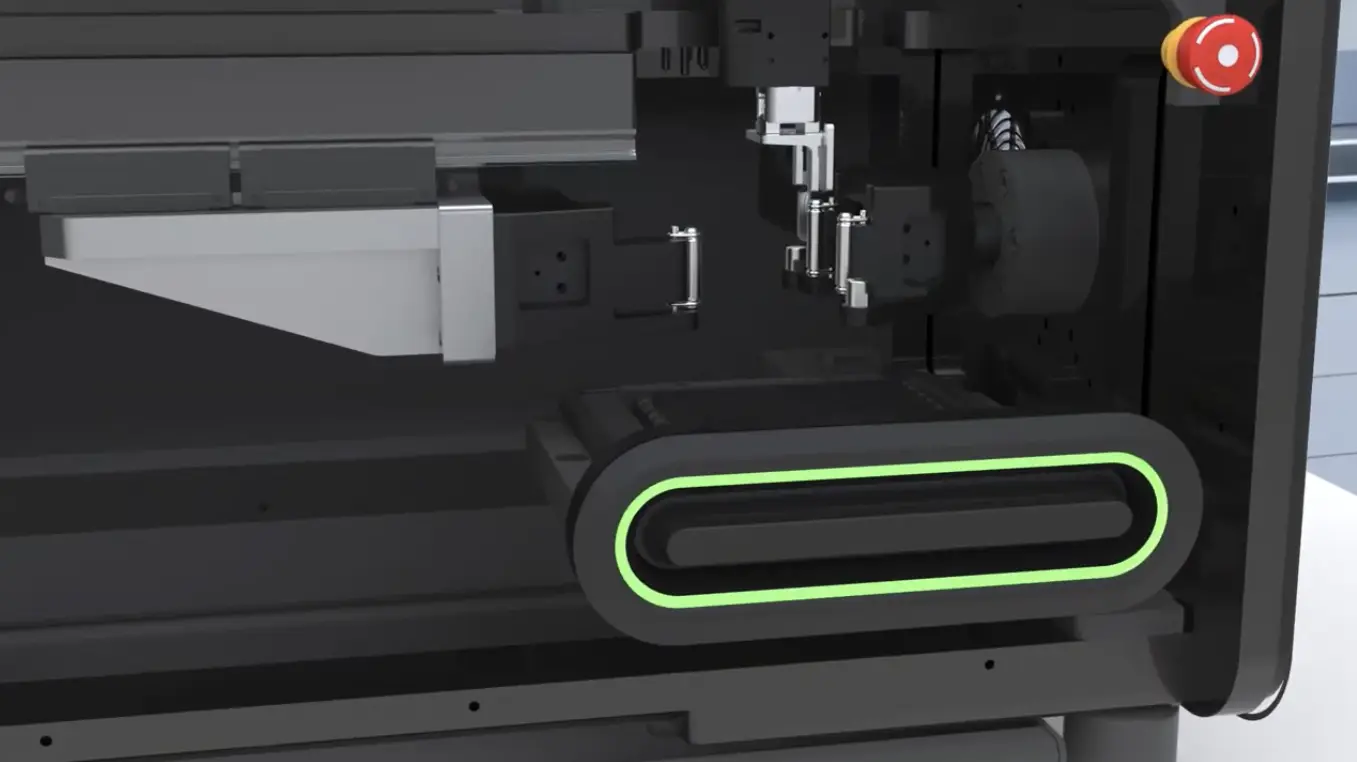
Robotic tensile testing addresses the operational layer, not just the mechanical one. An automated system handles specimen loading, grip actuation, test execution, and data transfer without manual intervention.
What that means in practice:
- Consistent grip placement on every specimen, eliminating operator-to-operator variability.
- Unattended overnight runs — load a batch before you leave, review confirmed results in the morning.
- Direct data output to your LIMS or ERP, with no transcription and no spreadsheet errors.
- Full audit trail — timestamp, operator ID, grip force, and test parameters captured automatically on every run.
For labs running more than 40–50 specimens per day, the ROI typically clears within 12–18 months in recovered technician time alone.
See how LabsCubed's plastics testing systems handle high-volume QA for plastics and composites manufacturers.
Manual vs. automated: a quick comparison
The mechanical result can be identical on both paths; the difference shows up in throughput, consistency, and cost per test over time.
| Manual testing | Recommended CubeOne / CubeTen | |
|---|---|---|
| Throughput | 20–30 specimens/shift | Up to 100+ specimens/shift |
| Operator dependency | High | Low |
| Data consistency | Variable | Consistent |
| Overnight operation | ||
| Upfront cost | Lower | Higher |
| Long-term cost per test | Higher | Lower |
Making the right choice
If you run low volumes of well-controlled specimen types, a well-specified manual tensile frame delivers what you need. Major OEM equipment brands produce reliable systems in this category.
If your lab is bottlenecked by throughput, struggling with inter-operator variability, or needs audit-ready data traceability for regulated customers, automation is the faster path to process control.
The decision comes down to a single question: are you bottlenecked by throughput or operator variability? If the answer is no — you run low, stable volume with well-controlled specimen types and only a light backlog — a well-specified manual frame is the right fit. If the answer is yes — you run 40+ specimens per day and need audit-ready data — the CubeTen, validated for ASTM D638 and ISO 527, is the path to process control.
Ready to compare options for your specific testing volume and material types? Get a quote from LabsCubed — or download our white paper on automation vs. manual testing to build the business case internally.
Frequently asked questions
What does a plastics tensile test measure?
A tensile test pulls a standardized plastic specimen at a controlled speed until it fractures or deforms permanently. It records tensile strength, yield strength, elongation at break, and elastic modulus, which determine whether a material passes specification for injection-molded parts, extruded profiles, plastic films, or composite panels.
Which standards apply to plastics tensile testing?
Three standards cover most plastics tensile work. ASTM D638 covers rigid and semi-rigid plastics and is the North American automotive default. ISO 527 is the metric equivalent, common in EU and automotive programs. ASTM D882 covers thin plastic sheeting and film. Choose equipment validated for all three.
When does automated plastics tensile testing make sense?
Automation addresses the operational layer rather than just the mechanical one, handling specimen loading, grip actuation, test execution, and data transfer without manual intervention. For labs running more than 40 to 50 specimens per day, the return typically clears within 12 to 18 months in recovered technician time alone.
Compare options for your testing volume and materials
Explore how LabsCubed's CubeTen automates specimen handling, testing, and reporting for high-volume plastics QA. Bring your standards, materials, and throughput numbers, and we'll map the fit.
Related Articles
More expert insights and practical solutions to advance your material testing expertise.
Automated Rubber Tensile Testing Machines: A Guide for High-Volume Testing Labs
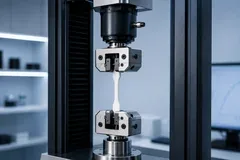
Universal Testing Machine: Complete Guide to Specifications, Applications & Automation
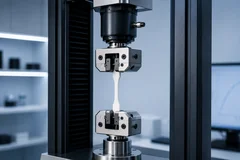
Tensile Strength Tester: A Buyer's Guide for QA Labs
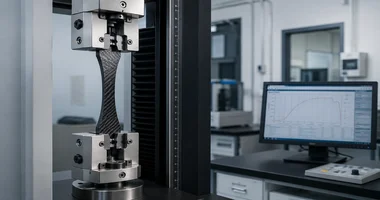
Tensile Test of Composite Materials: A Practical Guide
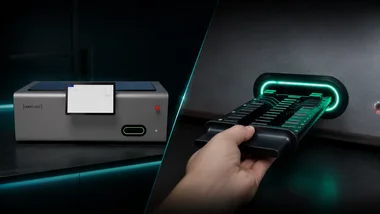
Universal Testing Machine for Rubber: 2026 Buyer Guide
ASTM D3039: How to Test Composite Tensile Properties
Robotic Material Testing: The Complete Guide to Automating Your Lab
Automated Tensile Testing: How Labs Cut Cycle Time Up to 85%
Composite Material Testing: Methods, Standards, and Automation
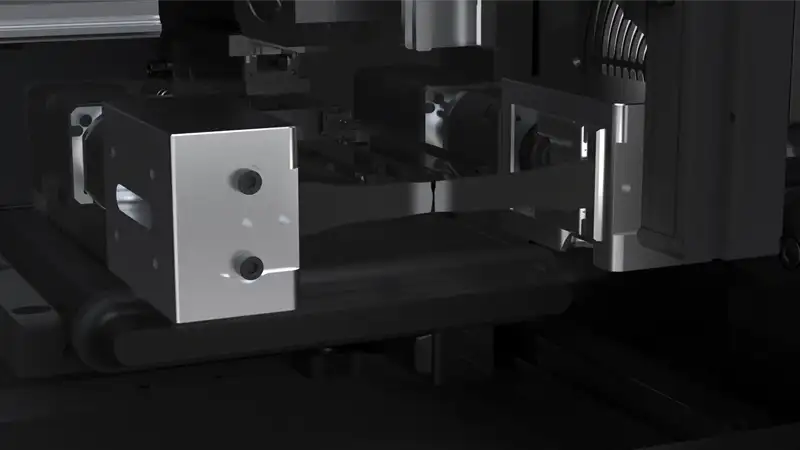
Tensile Testing Machine Guide for Plastics & Rubber Labs
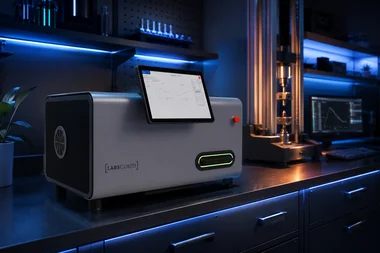
Polymer Tensile Test: Procedure, Standards & Automation
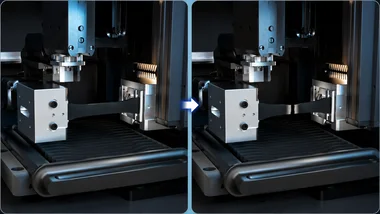
Polymer Mechanical Testing: Methods, Standards & Automation
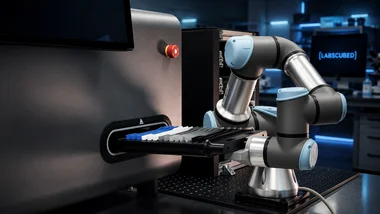
Lab Automation Robotics for Plastics and Rubber QA Teams
ASTM D638 Automated Testing: Run 3× More Specimens Per Day
Materials Testing Automation: How Plastics and Rubber Labs Run 3× More Tests Per Shift
ASTM D790/ISO 178 Explained: Everything You Need to Know About Plastic Flexural Testing
Fatigue Testing in Rubber Compounds: Understanding Long-Term Performance
How Temperature and Humidity Affects Tensile Strength in Plastics